
Cara Analisis Permintaan dan Penawaran untuk Memprediksi Harga Komoditas
Supply dan demand adalah jantung pergerakan harga komoditas. Menguasai analisis ini seperti memiliki crystal ball—Anda bisa memprediksi ke mana harga akan bergerak sebelum market bergerak. Mari kita pelajari framework praktis untuk analisis supply-demand!

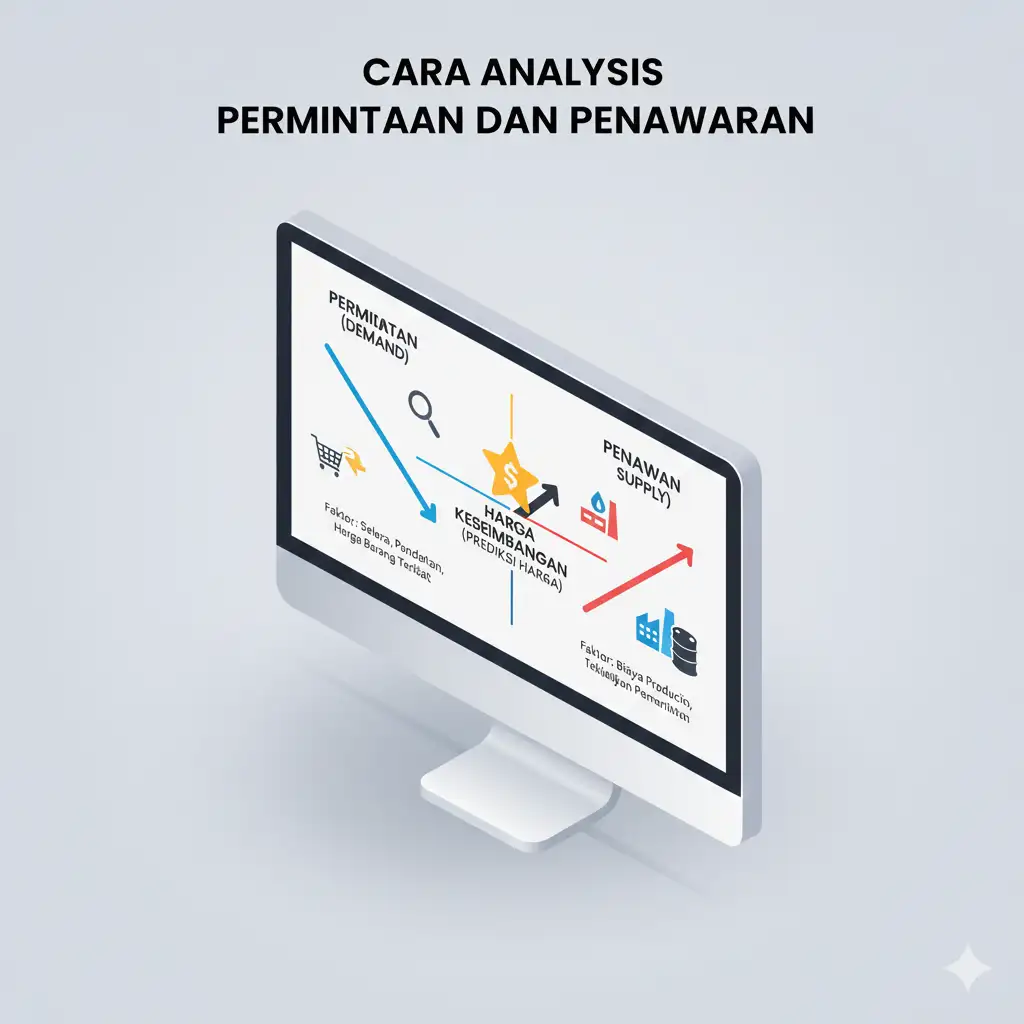
Fundamental Law: Supply & Demand
Prinsip dasar ekonomi:
- Demand naik + Supply tetap = Harga naik
- Supply naik + Demand tetap = Harga turun
- Demand turun + Supply turun = Tergantung mana yang lebih dominan
Contoh sederhana:
2020: Pandemi → Demand minyak collapse (lockdown, no travel) → Harga drop $60 ke $20 (-67%)
2021: Ekonomi reopen → Demand recovery + OPEC cut supply → Harga naik $20 ke $85 (+325%)
Analisis Demand (Permintaan): 5 Faktor Kunci
1. Pertumbuhan Ekonomi Global
Indikator yang dipantau: Global GDP Growth, PMI Manufacturing (>50 ekspansi), Industrial Production Index.
Logic: Ekonomi tumbuh → Pabrik produksi lebih banyak → Butuh lebih banyak bahan baku (logam, energi, pertanian).
2. Seasonal Demand Pattern
Banyak komoditas punya seasonal pattern:
- Energi (Minyak, Gas): Q4-Q1 (Winter: demand heating naik), Q2-Q3 (Summer: demand driving naik).
- Pertanian (Gandum, Jagung): Pre-harvest (harga tinggi), Post-harvest (harga turun).
- CPO: Peak production Maret-April, September-Oktober.
3. Substitusi dan Kompetitor
Komoditas bisa digantikan (misal: CPO diganti soybean oil; Natural gas diganti coal).
Cara analisis: Monitor harga komoditas kompetitor. Jika spread terlalu lebar, demand komoditas yang mahal bisa turun (buyer switch).
4. Consumer Behavior & Trends
Shift jangka panjang:
- EV Revolution: Demand lithium, nikel, kobalt meledak. Demand minyak plateau/turun.
- Plant-based Diet: Demand soybean, pea protein naik.
- Sustainability Movement: Demand "ethical" palm oil (RSPO certified).
Investment implication: Identify mega-trend early, position before market price in.
5. Geopolitical & Policy Factors
Government policy bisa create/destroy demand (Contoh: Biofuel Mandate Indonesia B30 menciptakan *floor price* untuk CPO).
Analisis Supply (Penawaran): 5 Faktor Kunci
1. Production Data
Data yang harus dimonitor:
- Weekly: EIA Crude Oil Inventory Report (High inventory = bearish).
- Monthly: OPEC Production Report, USDA Crop Report (untuk pertanian).
Cara interpret: Actual < Forecast = Bullish (undersupply). Contoh: USDA forecast produksi jagung turun karena *drought*.
2. Weather & Natural Disasters
Weather adalah *wild card* (Contoh: El Nino menyebabkan *drought* di Asia Tenggara, menekan produksi CPO/karet).
Cara monitor: Weather.com, NOAA untuk prediksi El Nino/La Nina.
3. Technology & Productivity
Teknologi bisa *boost supply* (Contoh: Fracking Revolution di US Shale meningkatkan produksi minyak secara masif, menurunkan *pricing power* OPEC).
Investment implication: Teknologi adalah *long-term bearish* untuk harga komoditas (tapi *bullish* untuk produsen yang mengadopsi awal).
4. Geopolitical Risk & Supply Disruption
Konflik bisa memutus supply (Contoh: Rusia-Ukraina membuat harga gandum dan gas melonjak. Sanksi Iran mengurangi supply minyak).
5. Inventory Levels
Stockpile adalah *buffer*:
- High Inventory: Stock banyak, harga cenderung sideways/turun (Bearish signal).
- Low Inventory: Stock tipis, harga sensitif ke *supply shock* (Bullish signal).
Data source: EIA (oil), USDA (grain), LME (metal).
Framework 5-Step untuk Prediksi Harga
Apakah market saat ini surplus atau deficit? Cek inventory level (High/Normal/Low?).
Apakah ekonomi global accelerating? Ada seasonal peak? Ada policy yang create new demand?
Apakah production increasing? Ada geopolitical risk? Apakah weather favorable?
Net Score = Demand Score + Supply Score
Interpretasi: +4 hingga +6 (Very bullish), -3 hingga -1 (Bearish).
Apakah thesis masih valid? Quarterly review. Adjust position accordingly.
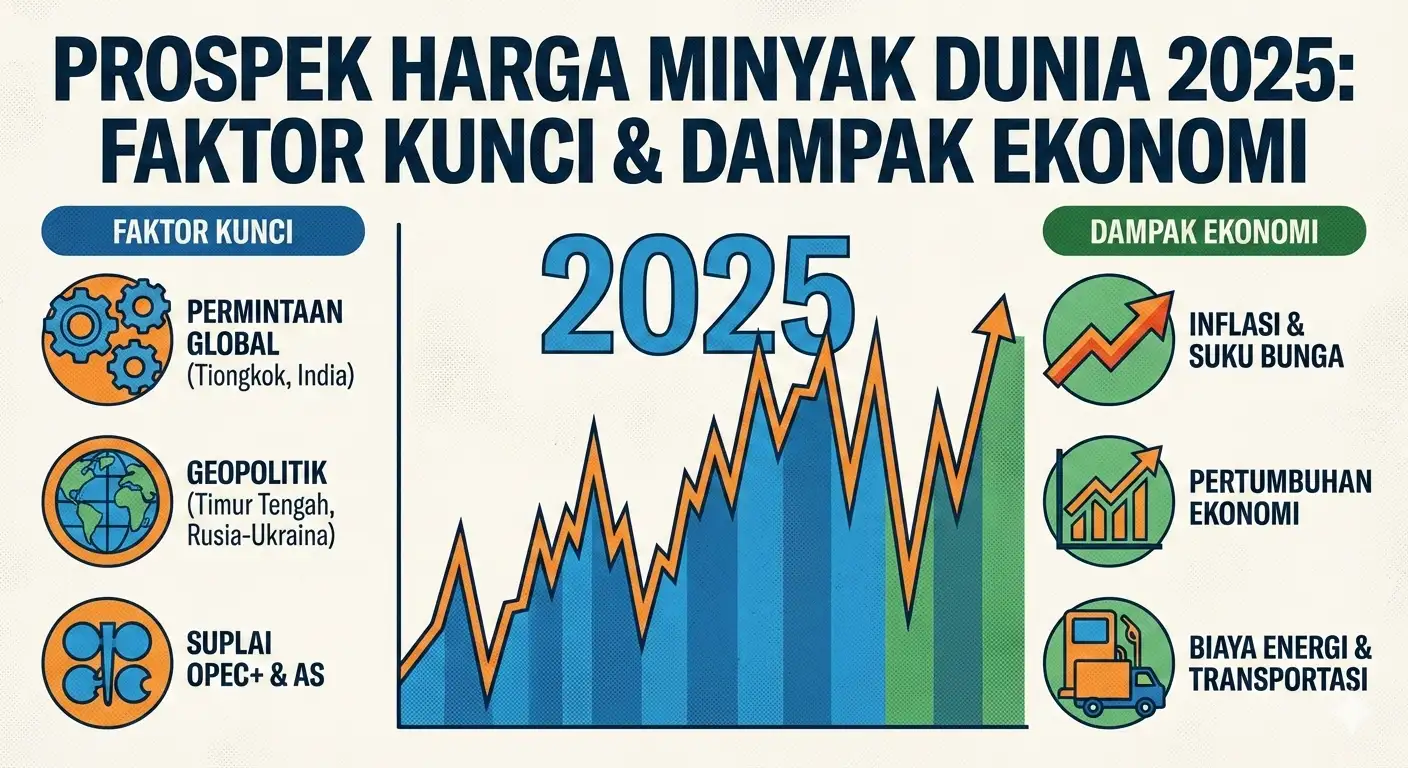
Studi Kasus Lengkap: Crude Oil Q1 2025
Net Score = +2 (Demand) + +1 (Supply) = +3 (Bullish)
Action: Buy oil exposure (saham MEDC atau oil ETF), target $85-90/barrel.
Tools & Resources
Data sources: EIA.gov (energy), USDA.gov (agriculture), Investing.com (real-time price).
Reports to read: IEA Monthly Oil Market Report, USDA WASDE.
Call to Action: Become a Supply-Demand Expert! 📊
Prediksi harga bukan *magic*—it's systematic analysis.
30-Day Challenge:
- Week 1: Pilih 1 Komoditas (Contoh: Crude oil), pelajari *basic drivers*.
- Week 2: Kumpulkan data (EIA, OPEC, China economic data).
- Week 3: Buat Forecast menggunakan 5-step framework.
- Week 4: *Track & Learn* (Bandingkan actual vs forecast).
Daily routine (20 min): Check harga, baca berita, update mental model.
Master supply-demand analysis, and you'll have edge over 90% retail investors. Start your journey today!
0 Komentar